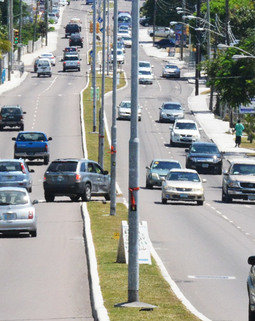

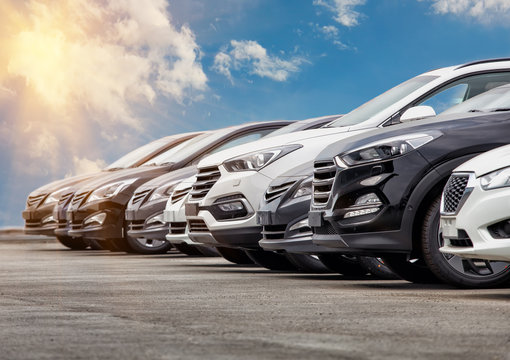
In The Bahamas, choosing the right car is not just about style or brand preference, but about how well the vehicle adapts to island roads, fuel costs, parking conditions, and everyday mobility needs. With a mix of urban centers, coastal highways, and residential streets, drivers often debate between an SUV, a sedan, or a hatchback. Each body type offers clear advantages depending on lifestyle, budget, and driving habits, making this decision especially relevant for both first-time buyers and those upgrading their current vehicle.
An SUV in the Bahamas is often associated with versatility and road presence. Higher ground clearance is useful on uneven roads, flooded streets during heavy rain, or when accessing beaches and less-developed areas. SUVs also offer more interior space, which appeals to families and drivers who frequently transport cargo or passengers. However, this comes at a cost. SUVs generally consume more fuel, and according to regional fuel price averages, gasoline costs in the Caribbean tend to be higher than in North America, making fuel efficiency in the Bahamas a critical factor for long-term ownership.
A sedan remains one of the most balanced options for island driving. Sedans usually offer better fuel economy than SUVs, smoother handling on paved roads, and lower purchase and maintenance costs. For daily commuting, business use, and longer drives between towns, a sedan provides comfort without excessive operating expenses. Sedans also tend to have better aerodynamics, which helps reduce fuel consumption, an important advantage in a country where fuel imports impact overall driving costs.
The hatchback is often overlooked, but it is one of the most practical choices for urban driving cars. Compact size makes parking easier in busy areas, while flexible cargo space suits groceries, small equipment, or weekend trips. Hatchbacks are typically the most affordable option and deliver excellent fuel efficiency, which aligns well with shorter driving distances common across many islands. For young drivers or budget-conscious buyers, a hatchback can offer strong value without sacrificing reliability.
When comparing sedan vs hatchback, the decision often comes down to space versus agility. Sedans offer a more traditional driving feel and better trunk separation, while hatchbacks maximize interior flexibility in a smaller footprint. In contrast, SUVs clearly dominate when road conditions or passenger capacity are priorities, but they may not be the most economical choice for everyday use.
Safety is another key consideration. Larger vehicles like SUVs tend to perform better in multi-vehicle collisions due to size and weight, while modern sedans and hatchbacks increasingly include advanced safety systems that reduce accident risks. Road safety studies from international transport authorities consistently show that vehicle choice should match driving environment rather than perceived toughness alone.
Ultimately, the best car for island driving depends on how and where you drive most. Do you value space and versatility, or efficiency and ease of use? Share your thoughts in the comments and explore more practical car-buying insights at our blog, where related articles help drivers make informed decisions tailored to life in the Bahamas.