
In the Bahamas, where temperatures often soar and humidity is high, engine overheating can be a serious risk if your car’s cooling system isn’t properly maintained. Preventing your engine from overheating is especially important in Caribbean climates, where heat combines with stop-and-go traffic or long coastal drives to stress a vehicle’s cooling system. Here are practical tips to help you avoid overheating and protect your engine under Bahamian heat.
First and foremost, check coolant levels regularly and ensure the mixture is correct. A 50/50 mix of coolant and water is ideal to maintain proper boiling point and prevent corrosion inside the cooling system. A failing or low coolant level is one of the most common causes of overheating. Also inspect the radiator cap — if it's worn or not sealing properly, pressure may be lost and lead to higher engine temperatures.
Maintain proper airflow through the radiator and engine bay. Debris, leaves or even small plastic bags that get trapped in the front grille or radiator fins can seriously reduce cooling capacity. Cleaning these areas periodically helps the radiator fan and airflow do their job efficiently. Also, ensure the radiator fan is working well, especially in slow-moving traffic or when the vehicle is idling, since a failing fan can lead to critical overheating.
Use high-quality engine oil with a viscosity suited for hot conditions. In warm climates like the Bahamas, oil tends to thin out under heat, so using synthetic or semi-synthetic oil that resists thermal breakdown helps maintain proper lubrication and cooling. Check the oil regularly and follow your manufacturer’s recommended oil change intervals — a clean, correct-grade oil reduces friction and heat.
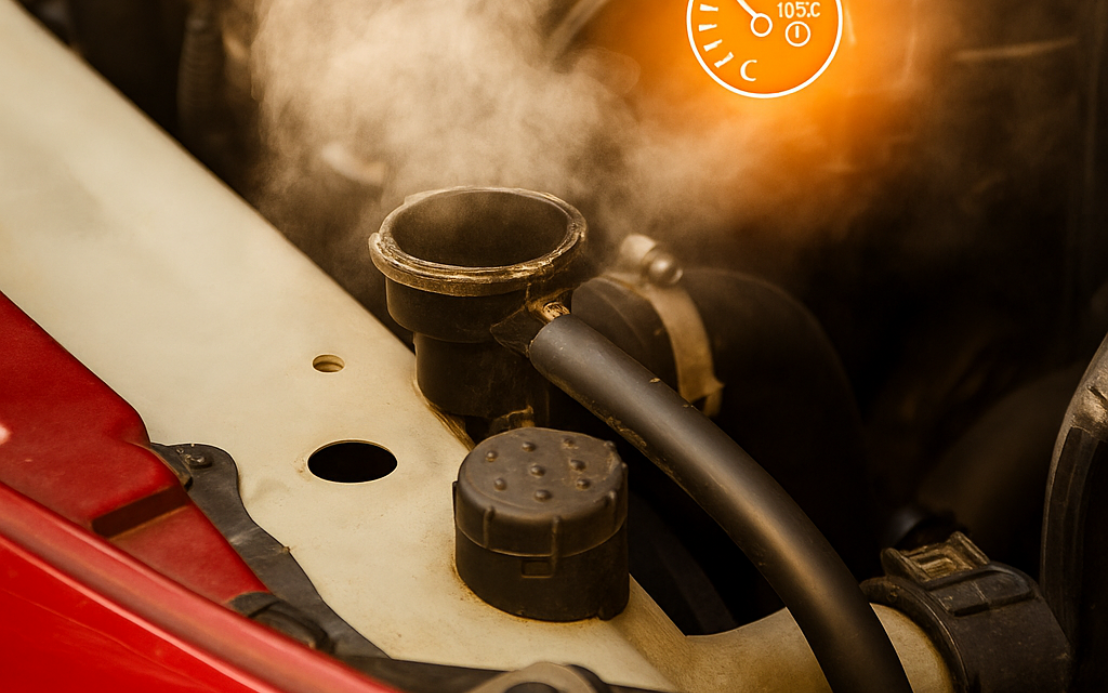
Watch your temperature gauge at all times. If you notice the needle creeping into the red zone, pull over safely and switch off the engine. If you're in traffic, avoid turning on heavy accessory loads like the air conditioner. In fact, temporarily turning off the AC and switching on the heater (or blower) can divert some of the engine’s heat into the cabin, acting like an extra radiator. This unusual trick can buy you time to get the engine to a safe temperature, especially when driving slowly or stuck in congestion.
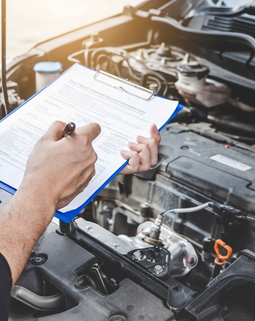
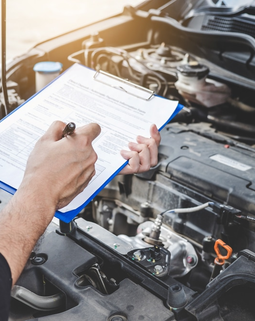
Regular inspections of hoses, belts, and the thermostat are essential. Hoses should be firm yet flexible — cracked or soft hoses may leak coolant or collapse under pressure. A worn or slipping belt may reduce the water pump’s performance and limit coolant circulation. A failing thermostat can prevent proper coolant flow and dramatically raise engine temperature, so have it tested or replaced if you notice odd temperature behavior.
When parking, try to choose shaded spots or use sunshades on the windshield. This helps reduce the temperature under the hood and the burden on the cooling system when you restart the car. Heat-soaked components are more likely to overheat quickly when the engine starts again.
Finally, adopt smooth driving habits: avoid heavy acceleration, especially under hot conditions, and minimize idling when possible. High engine load and constant stop-start driving generate excess heat. If you must sit in traffic, try to keep the engine RPM moderate or put the car in neutral, which gives the cooling system a better chance to catch up.
To sum up, preventing engine overheating in the Bahamas requires attention to your cooling system, smart driving habits, and regular maintenance. By keeping coolant levels correct, ensuring good airflow, monitoring temperature, and caring for critical components, you’ll reduce the risk of breakdowns and protect your engine under tropical conditions.
If you’re looking for a new or used car, CarroCarros is your top destination. We offer a wide selection of new and pre-owned vehicles, trusted dealers, and competitive prices. Explore the best car deals in The Bahamas and drive home your dream car today!
Have you experienced overheating in your car while driving here? Share your story in the comments, and explore more car care tips on our blog: www.autobahamas.com/blog.