



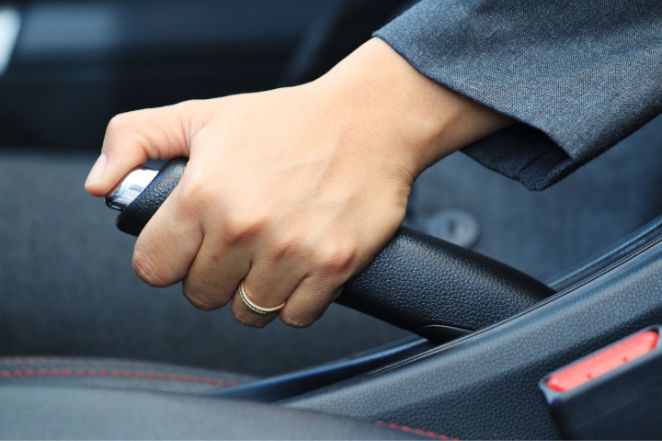
The parking brake may seem like a minor component, but it plays an important role in vehicle safety. Whether you drive through Nassau, Freeport, or the quieter roads of the Out Islands, having a properly functioning parking brake helps keep your vehicle securely in place. In the Bahamas, where coastal humidity, salt air, and changing weather conditions can affect vehicle components, regular brake inspections are especially important.
Why Is the Parking Brake So Important?
Commonly known as the handbrake, the parking brake is designed to prevent a stationary vehicle from moving unintentionally. Unlike the regular service brakes, which are primarily operated through the brake pedal and hydraulic system, traditional parking brakes generally use a mechanical cable connected to the rear braking mechanism. Newer vehicles may use an Electronic Parking Brake (EPB), activated through a switch and electric motors.
Its main purpose is to keep your car stationary after parking, particularly on slopes or uneven surfaces. Although automatic transmissions have a Park position and manual vehicles can be left in gear, these features should not replace the proper use of the parking brake. Applying it correctly provides an additional layer of security and reduces the risk of unexpected vehicle movement.
Common Signs of Parking Brake Problems
Over time, the parking brake can lose effectiveness because of wear, corrosion, damaged components, or incorrect adjustment. Recognizing the warning signs early can help prevent more expensive repairs.
1. The Handbrake Lever Feels Too Loose
If you need to pull the lever much higher than usual before feeling resistance, the system may require inspection. In traditional cable-operated systems, cable stretching, adjustment problems, or worn internal components can contribute to excessive lever travel.
However, a loose lever does not automatically mean the cable needs tightening. The brake shoes, pads, adjustment mechanism, and other components should also be checked.
2. The Vehicle Moves After Parking
One of the clearest indications of a problem is when the vehicle continues rolling despite the parking brake being engaged. This can happen when the system does not generate enough holding force or when the braking components are worn or damaged.
Never assume the vehicle is secure simply because the lever is raised or an electronic parking brake button has been pressed. If the car moves, avoid leaving it unattended on a slope and arrange a professional inspection.
3. Unusual Noises or Resistance
Grinding, squeaking, or unusual resistance when applying or releasing the handbrake can indicate corrosion, damaged cables, or problems inside the rear brake assembly. An electronic system may also display a warning light or refuse to engage or release properly. These symptoms should not be ignored, particularly if the regular braking system is also behaving differently.
How to Maintain Your Parking Brake
Proper parking brake maintenance does not necessarily require complicated procedures, but it does require regular attention. A few practical habits can help keep the system reliable.
Check It During Routine Brake Inspections: Ask your mechanic to inspect the parking brake whenever the vehicle receives regular brake maintenance. The inspection should include the cables, connections, adjustment mechanism, rear pads or shoes, and other relevant components.
Keep Components Clean: Dirt, moisture, and corrosion can affect exposed mechanical parts. Professional cleaning and inspection can help identify problems before they become more serious. Avoid applying ordinary grease or lubricants to braking surfaces, as contamination can reduce braking performance.
Adjust It Correctly: If the handbrake travels too far or fails to hold the vehicle, it may need adjustment. However, tightening the cable without checking the rest of the system can hide underlying problems. The correct procedure depends on the vehicle's design and manufacturer specifications.
Avoid Driving With the Parking Brake Engaged: Before moving, make sure the parking brake has been fully released. Driving with it partially engaged can generate excessive heat and accelerate wear on the braking components. Pay attention to dashboard warning indicators, especially in vehicles equipped with electronic systems.
Why Bahamas Drivers Should Pay Attention to Corrosion
The local environment makes preventive maintenance particularly relevant. Vehicles driven or parked near the coast are regularly exposed to salt-laden air and humidity. Over time, these conditions can contribute to corrosion in exposed metal components, including brake cables, fasteners, and parts underneath the vehicle. Heavy seasonal rainfall and periods of high humidity can also increase exposure to moisture. For drivers in Nassau, Paradise Island, Grand Bahama, and other coastal communities, checking the vehicle's underbody and braking components during scheduled maintenance is a sensible precaution.
This does not mean every vehicle will develop parking brake problems, but corrosion prevention and early inspections can help reduce the risk. If you notice a parking brake that sticks, releases slowly, or fails to hold the vehicle, have it checked rather than forcing the mechanism.
Manual and Electronic Parking Brakes: What Is the Difference?
Traditional mechanical handbrakes usually operate through a lever or foot pedal connected to cables. Their condition depends on the adjustment and integrity of those mechanical components. An electronic parking brake, on the other hand, uses an electrical switch and actuator motors to engage the braking mechanism. Some vehicles also include automatic engagement when the transmission is placed in Park or when the engine is switched off.
Although the operating methods differ, both systems serve the same essential purpose: preventing a parked vehicle from moving. Electronic systems are not maintenance-free, either. Warning messages, unusual noises, or failure to engage or release should be inspected by a qualified technician.
A Small Component That Deserves Regular Attention
The parking brake is easy to overlook because drivers may only think about it when leaving their vehicles parked. However, a worn cable, incorrect adjustment, or corroded component can compromise its ability to hold a car securely.
For motorists in the Bahamas, routine inspections are especially worthwhile because the coastal environment can contribute to deterioration of exposed vehicle components. Following the manufacturer's maintenance recommendations and addressing unusual symptoms early can help keep your braking system dependable.
For more practical advice about vehicle care, repairs, and driving, explore our automotive maintenance articles and car ownership tips.
What About Your Vehicle? Have you ever experienced a loose handbrake, a parking brake warning light, or a car that moves even after the brake is engaged? Share your experience in the comments! You can also explore our other articles about brake maintenance, tire care, and essential vehicle inspections to help keep your car in good condition.


