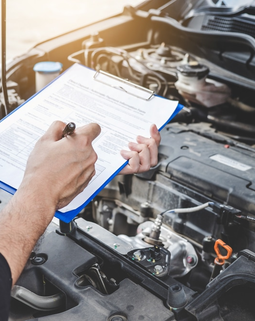


Owning a vehicle in The Bahamas means paying attention not only to how your car looks, but also to how it sounds while driving. Unusual car noises can be early warnings of worn brakes, suspension problems, transmission issues, low engine oil, or other mechanical faults. Learning to recognize these sounds can help drivers address problems before they become expensive repairs or create a safety concern on the road.
One of the most important sounds to watch for is a squealing noise when braking. A high-pitched squeal can sometimes be caused by moisture, dirt, or normal brake-pad wear, but persistent noise should not be ignored. Brake pads commonly have wear indicators that can produce a noticeable sound when the material becomes thin. If the noise develops into a harsh grinding sound, the situation deserves more immediate attention because continued driving can damage the brake rotors and other components.
A clicking or popping sound when turning can also provide an important clue. In many front-wheel-drive and all-wheel-drive vehicles, repeated clicking during sharp turns may be associated with worn constant-velocity or CV joints. These components transfer engine power to the wheels while allowing the suspension and steering to move. Ignoring the problem can eventually lead to additional drivetrain damage.
Drivers should also listen carefully to noises coming from the engine. A persistent knocking or tapping noise under the hood should never be treated as normal. Low engine oil, internal engine wear, or problems involving components such as bearings, pistons, valves, or connecting rods can produce serious sounds. Checking the engine oil level is a useful first step, but if the noise continues, the vehicle should be inspected by a qualified technician rather than driven until the problem becomes worse.
Another warning sign is a hissing sound under the hood. Depending on when it occurs, it could be related to a coolant leak, a vacuum or air line, a hose, or another component in the engine compartment. Because coolant and other engine fluids can become extremely hot, drivers should avoid opening or touching components immediately after the vehicle has been operating.
A clunking noise over bumps deserves attention as well. It may indicate worn or damaged suspension components, including shocks, struts, bushings, or other parts connecting the suspension system. Suspension problems can affect vehicle stability, handling, tire wear, and braking performance.
A humming or whining sound that increases with vehicle speed can have several possible causes. It may be related to tires, wheel bearings, belts, or even the transmission. This is why the exact moment when the noise appears is important. Does it happen while accelerating, braking, turning, going over bumps, or simply increasing speed? These details can help a mechanic identify the source more efficiently.
Drivers should also pay attention to rattling sounds. A loose exhaust component, heat shield, underbody panel, or other part can create a vibration that becomes louder as the vehicle moves. Some rattles are relatively simple to repair, but others may indicate a component that could eventually become detached.
Other warning signs should not be ignored either. Vibrations, a steering wheel that feels loose, unusual tire wear, a soft brake pedal, warning lights, fluid leaks, or a sudden reduction in fuel economy can all indicate developing mechanical problems. Recent automotive guidance also recommends responding promptly to warning lights and unusual changes in braking, steering, temperature, and vehicle behavior.
The best approach is not to diagnose every noise yourself, but to notice changes and provide useful information to a mechanic. Try to remember whether the sound happens when the engine is cold or hot, whether the vehicle is moving or stationary, and whether it changes when you accelerate, brake, turn, or drive over uneven roads.
Regular car maintenance can also prevent many problems from becoming serious. Oil changes, brake inspections, tire checks, fluid inspections, battery testing, belt inspections, and suspension checks should be part of a vehicle's maintenance routine. Following the manufacturer's recommended service schedule is particularly important.
For drivers in The Bahamas, keeping a vehicle properly maintained is especially useful when dealing with daily traffic, long drives, heat, humidity, and coastal conditions. A small noise may not always mean a major repair is required, but it is worth investigating when it persists or becomes louder.
If you want to learn more about car maintenance, vehicle care, and automotive topics, you can also explore the latest information available on Auto Bahamas. And remember: your car often gives you a warning before a mechanical problem becomes a breakdown. Have you noticed a strange car noise recently? Sharing your experience could help other drivers recognize the same warning sign before it becomes a bigger problem.